Embrace Self-Reliance with Off-Grid Living Tools

In a world increasingly dominated by technology and urban living, the allure of off-grid living is stronger than ever. Many individuals are seeking ways to disconnect from the hustle and bustle of modern life, opting instead for a lifestyle that emphasizes self-reliance, sustainability, and a deeper connection to nature. This blog post will explore the essential tools that can help you embrace off-grid living, providing practical insights and examples to guide your journey.
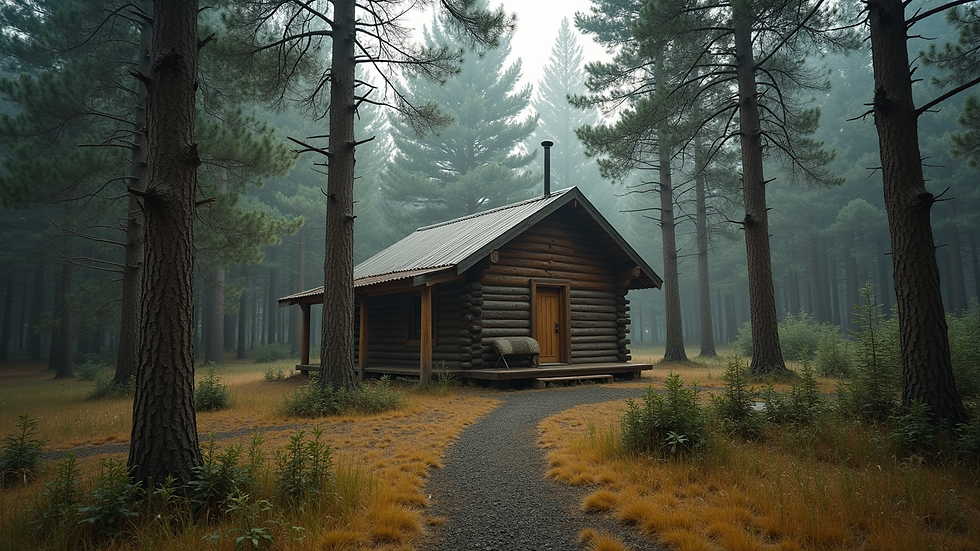
Understanding Off-Grid Living
Off-grid living refers to a lifestyle where individuals or families live independently from public utilities. This means generating your own electricity, sourcing your own water, and often growing your own food. The appeal lies in the freedom it offers, allowing people to live in harmony with nature while minimizing their environmental impact.
Key Benefits of Off-Grid Living
Self-Sufficiency: By relying on your own resources, you gain a sense of independence. This can be incredibly empowering, as you learn to grow your own food, generate your own power, and manage your own water supply.
Environmental Impact: Off-grid living often involves sustainable practices, such as using renewable energy sources and reducing waste. This lifestyle can significantly lower your carbon footprint.
Cost Savings: While the initial investment in off-grid tools and systems can be high, the long-term savings on utility bills can be substantial. Many off-grid dwellers find that they can live comfortably without the constant financial burden of monthly bills.
Connection to Nature: Living off the grid allows you to immerse yourself in the natural world. This connection can lead to improved mental health and well-being.
Essential Tools for Off-Grid Living
Transitioning to an off-grid lifestyle requires careful planning and the right tools. Here are some essential items to consider:
Renewable Energy Systems
Solar Panels
Solar panels are a cornerstone of off-grid living. They convert sunlight into electricity, providing a renewable energy source for your home. When selecting solar panels, consider:
Efficiency: Look for panels with high efficiency ratings to maximize energy production.
Battery Storage: Pair your solar panels with a battery system to store excess energy for use during cloudy days or at night.
Wind Turbines
In areas with consistent wind, wind turbines can complement your solar system. They generate electricity from wind energy, providing an additional power source.
Water Collection and Filtration
Rainwater Harvesting Systems
Collecting rainwater is a sustainable way to source water for your home. Install gutters and downspouts to direct rainwater into storage tanks. Ensure you have a filtration system in place to make the water safe for drinking.
Water Filtration Systems
Invest in a reliable water filtration system to purify your water supply. Options include:
Gravity Filters: Simple and effective for removing contaminants.
Reverse Osmosis Systems: Provide thorough purification but may require more maintenance.
Food Production Tools
Gardening Supplies
Growing your own food is a vital aspect of off-grid living. Essential gardening tools include:
Hand Tools: Shovels, hoes, and rakes for soil preparation.
Raised Garden Beds: Improve drainage and soil quality.
Compost Bins: Create nutrient-rich soil for your plants.
Livestock
Consider raising small livestock, such as chickens or goats, for eggs and milk. They require specific housing and care, so research their needs before committing.
Heating and Cooking Solutions
Wood Stoves
A wood stove is an excellent option for heating your home and cooking meals. They are efficient and can be powered by locally sourced firewood.
Solar Ovens
Solar ovens use sunlight to cook food, making them an eco-friendly cooking option. They are portable and perfect for outdoor cooking.
Waste Management Systems
Composting Toilets
Composting toilets are a sustainable alternative to traditional plumbing. They break down waste into compost, which can be used to enrich soil.
Waste Separation Systems
Implement a waste separation system to manage recyclables, compost, and landfill waste. This practice reduces your overall waste and promotes recycling.
Planning Your Off-Grid Setup
Transitioning to off-grid living requires careful planning. Here are some steps to help you get started:
Assess Your Needs
Evaluate your energy, water, and food requirements. Consider the size of your household and your lifestyle preferences. This assessment will guide your decisions on the tools and systems you need.
Research Local Regulations
Before making any changes, research local regulations regarding off-grid living. Some areas have specific zoning laws or building codes that you must follow.
Create a Budget
Determine your budget for the transition. Factor in the costs of tools, systems, and any necessary renovations to your property. Remember that while the initial investment may be high, the long-term savings can be significant.
Start Small
If you're new to off-grid living, consider starting small. Implement one or two systems at a time, such as solar panels or a rainwater harvesting system. This approach allows you to learn and adapt as you go.
Real-Life Examples of Off-Grid Living
To inspire your journey, here are a few real-life examples of individuals and families who have successfully embraced off-grid living:
The Johnson Family
The Johnsons live in a remote area of the Pacific Northwest. They rely on solar panels and a wind turbine for electricity, and they collect rainwater for their water supply. Their garden produces a variety of vegetables, and they raise chickens for eggs. The family has found that living off the grid has strengthened their bond with each other and their environment.
Sarah's Tiny House
Sarah built a tiny house on wheels and equipped it with solar panels and a composting toilet. She travels around the country, living in different locations while maintaining her off-grid lifestyle. Sarah emphasizes the importance of minimalism and sustainability in her life, inspiring others to consider similar paths.
Overcoming Challenges in Off-Grid Living
While off-grid living offers many benefits, it also comes with challenges. Here are some common obstacles and how to overcome them:
Initial Costs
The upfront costs of off-grid systems can be daunting. To mitigate this, consider:
DIY Projects: Many off-grid systems can be built or installed by yourself, saving on labor costs.
Grants and Incentives: Research local and federal programs that offer financial assistance for renewable energy projects.
Maintenance
Off-grid systems require regular maintenance. Create a schedule for checking and servicing your equipment to ensure everything runs smoothly.
Isolation
Living off the grid can sometimes feel isolating. To combat this, connect with local off-grid communities or online forums. Sharing experiences and advice can provide support and camaraderie.
Conclusion
Embracing off-grid living is a rewarding journey that fosters self-reliance and a deeper connection to the environment. By investing in the right tools and systems, you can create a sustainable lifestyle that meets your needs while minimizing your impact on the planet. Whether you choose to start small or dive in headfirst, the path to off-grid living is filled with opportunities for growth and discovery. Take the first step today, and explore the freedom that comes with living off the grid.


Comments