Grow Your Own Food: Essential Gardening Supplies

Growing your own food is not just a trend; it’s a lifestyle choice that promotes sustainability, health, and self-sufficiency. Whether you have a sprawling backyard or a small balcony, the joy of cultivating your own vegetables and herbs can be incredibly rewarding. However, to embark on this green journey, you need the right tools and supplies. In this post, we will explore the essential gardening supplies that will help you grow your own food successfully.
Understanding Your Gardening Space
Before diving into the supplies you need, it’s crucial to assess your gardening space. Understanding the environment where you will be planting is the first step to a successful garden.
Types of Gardening Spaces
Backyard Gardens: Ideal for larger plants and a variety of vegetables.
Container Gardens: Perfect for small spaces; you can grow herbs, tomatoes, and peppers in pots.
Raised Beds: These provide better drainage and soil quality, making them suitable for various crops.
Vertical Gardens: Great for limited spaces; you can grow herbs and small vegetables on walls or trellises.
Assessing Sunlight and Soil
Sunlight: Most vegetables need at least 6-8 hours of sunlight daily. Observe your space to determine how much sun it receives.
Soil Quality: Test your soil for pH and nutrient levels. You may need to amend it with compost or fertilizers.
Essential Gardening Supplies
Once you have a clear understanding of your gardening space, it’s time to gather the essential supplies. Here’s a comprehensive list to get you started:
Tools
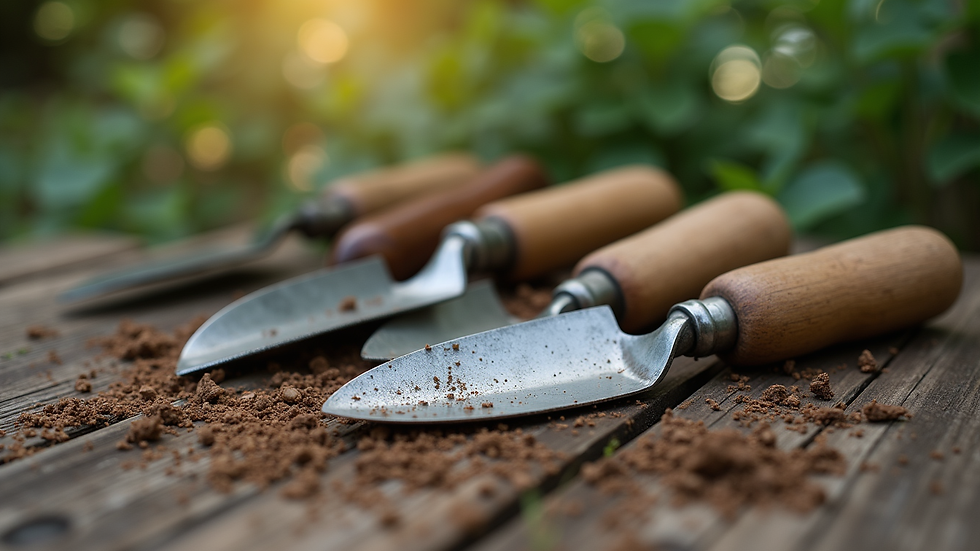
Hand Trowel: A versatile tool for digging, planting, and transferring soil.
Pruning Shears: Essential for trimming plants and harvesting fruits and vegetables.
Garden Fork: Useful for turning soil and breaking up compacted earth.
Hoe: Helps in weeding and cultivating the soil.
Watering Can or Hose: Ensure you have a reliable way to water your plants.
Soil and Amendments
Potting Mix: A high-quality potting mix is crucial for container gardening.
Compost: Enriches your soil with nutrients and improves its structure.
Mulch: Helps retain moisture and suppress weeds.
Seeds and Plants
Seeds: Choose seeds based on your climate and preferences. Consider starting with easy-to-grow varieties like radishes, lettuce, and herbs.
Seedlings: If you prefer, you can buy young plants from a nursery to get a head start.
Containers and Raised Beds
Pots: Ensure you have pots with drainage holes for container gardening.
Raised Bed Kits: If you opt for raised beds, consider purchasing a kit for easy assembly.
Watering Supplies
Drip Irrigation System: Efficient for watering plants without wasting water.
Soaker Hoses: Great for delivering moisture directly to the soil.
Additional Supplies
Pest Control
Organic Pesticides: Use natural solutions to protect your plants from pests.
Insect Netting: Helps keep harmful insects away from your crops.
Fertilizers
Organic Fertilizers: Choose slow-release options to provide nutrients over time.
Liquid Fertilizers: Useful for quick nutrient boosts during the growing season.
Garden Decor
Plant Labels: Keep track of your plants with simple labels.
Garden Stakes: Support taller plants and keep them upright.
Planning Your Garden Layout
Once you have your supplies, it’s time to plan your garden layout. A well-thought-out design can maximize your space and yield.
Companion Planting
Consider planting compatible plants together. For example, tomatoes and basil grow well together, as do carrots and onions. This practice can enhance growth and deter pests.
Crop Rotation
To maintain soil health, practice crop rotation. This means changing the location of your crops each season to prevent soil depletion and reduce pest buildup.
Maintenance Tips
Maintaining your garden is just as important as planting it. Here are some tips to keep your garden thriving:
Regular Watering
Ensure your plants receive consistent moisture, especially during dry spells. Early morning is the best time to water, as it allows plants to absorb moisture before the heat of the day.
Weeding
Regularly check for weeds, as they compete with your plants for nutrients and water. Hand-pulling is often the most effective method, especially in small gardens.
Monitoring for Pests
Keep an eye out for signs of pests or diseases. Early detection can save your plants from significant damage. Use organic methods for pest control whenever possible.
Harvesting Your Crops
The moment you’ve been waiting for—harvesting! Knowing when to harvest is key to enjoying the fruits of your labor.
Signs of Ripeness
Vegetables: Look for color changes and size. For example, cucumbers should be firm and green, while tomatoes should be fully colored.
Herbs: Harvest leaves regularly to encourage growth.
Proper Harvesting Techniques
Use clean, sharp tools to avoid damaging plants. For leafy greens, cut leaves at the base, while for fruits, twist or cut them off gently.
Conclusion
Growing your own food is a fulfilling endeavor that requires the right supplies and a bit of knowledge. By understanding your gardening space, gathering essential tools, and maintaining your plants, you can enjoy a bountiful harvest. Remember, gardening is a journey—embrace the learning process and enjoy the fruits of your labor. Start small, and as you gain confidence, expand your garden to include a wider variety of plants. Happy gardening!

Comments